THE FORKLIFT TRUCK TRAINING CENTRE
NOVICE TRAINING
Ideal for beginners or for those with very limited experience

01

NOVICE TRAINING
Ideal for beginners or for those with very limited experience
REFRESHER TRAINING
1 Day refresher training for experienced operators

02

REFRESHER TRAINING
1 Day refresher training for experienced operators
CONVERSION TRAINING
Ideal for operators who wish to upskill to another type of truck

03

CONVERSION TRAINING
Ideal for operators who wish to upskill to another type of truck
LGV / HGV Driver Training
Follow this link for HGV / LGV Driver Training

04

LGV / HGV Driver Training
Follow this link for HGV / LGV Driver Training
Our Services

Finding you the best solution What truck should I train on Each Truck is unique in its own way Let us help you choose

View the different types of trucks below to decide which truck/s would be best suited towards your requirements.

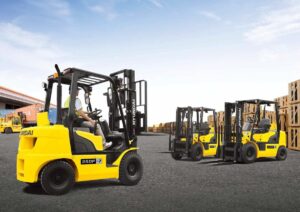
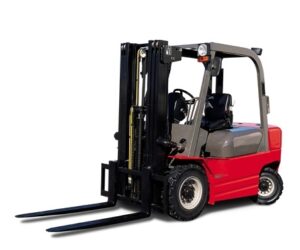
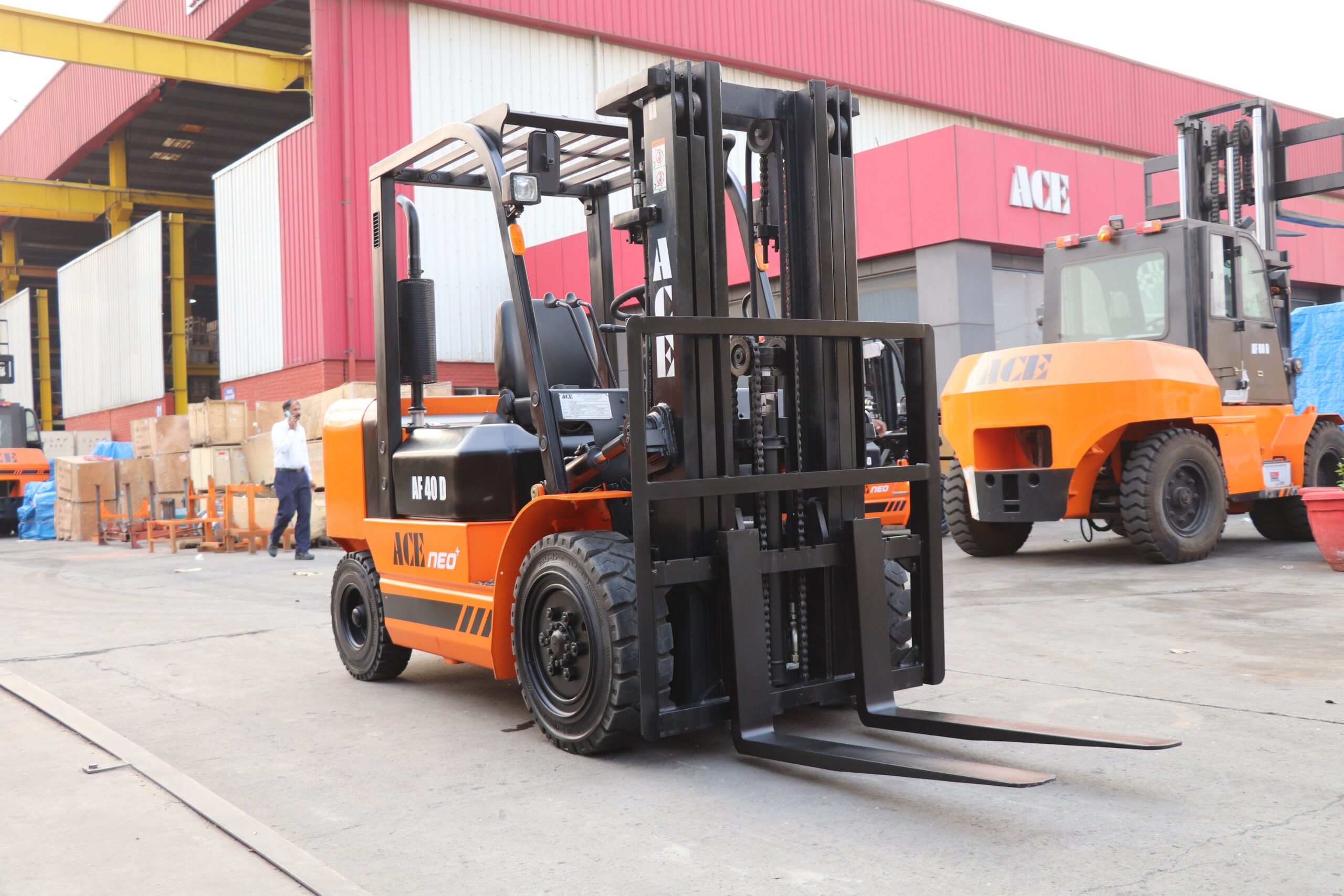
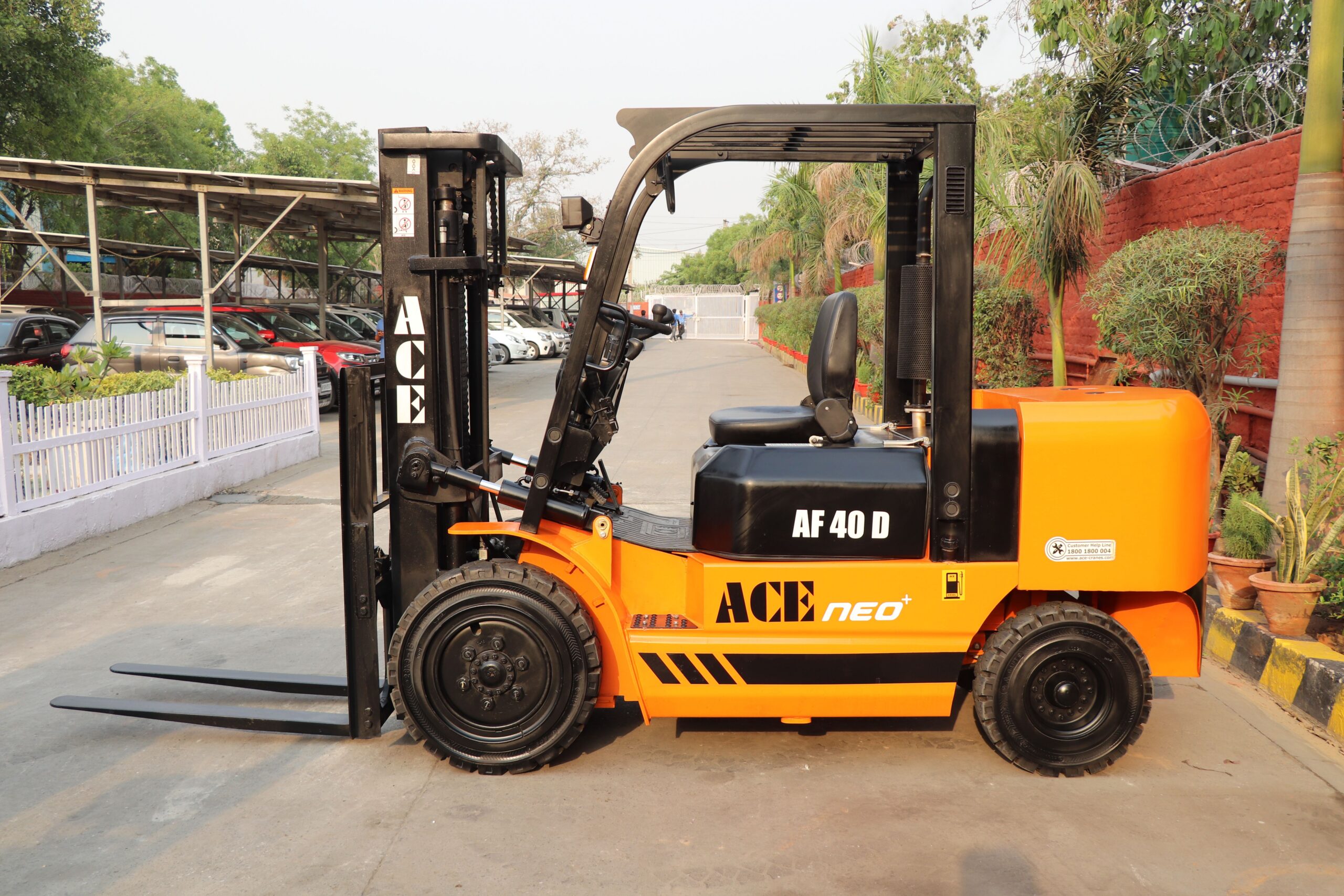
The most common of all forklift trucks and generally one of the easiest trucks to learn to drive
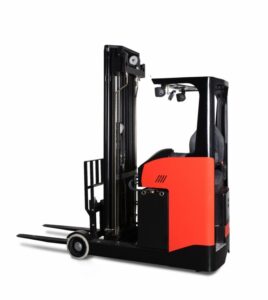
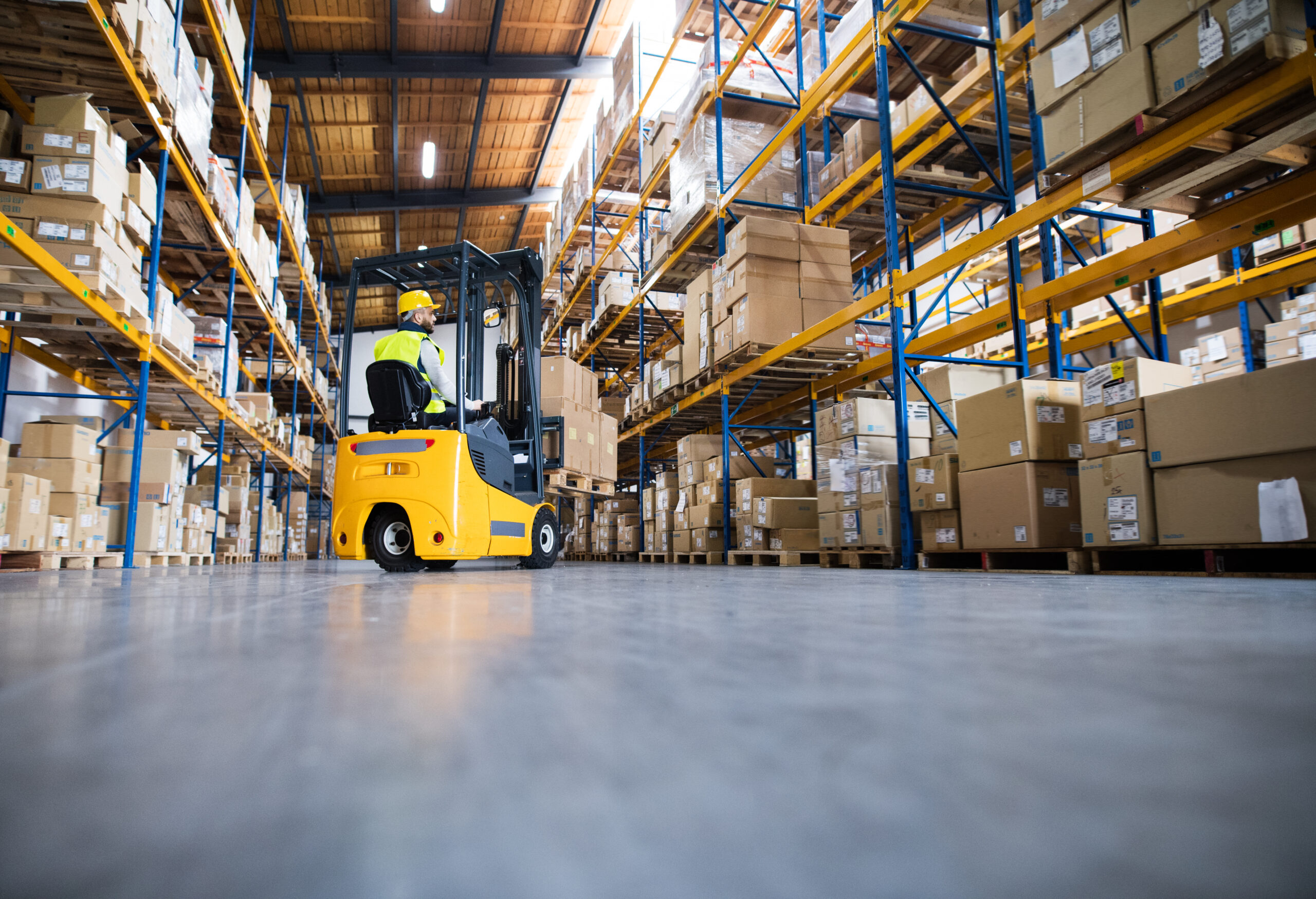
Another common truck generally used within large distribution centres for low to high level racking
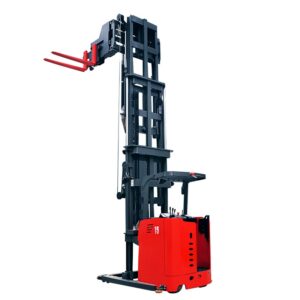
This truck is not as common as the reach or counterbalance and is generally used in warehouses with limited space, as its name stands for "Very Narrow Aisle"
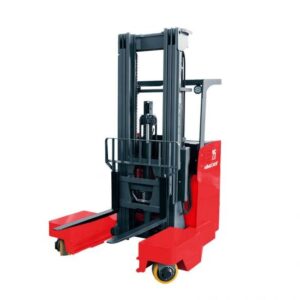
This is a specialist truck used by companies with specialist requirements
HELPFUL DOCUMENTS

Find Out MoreACOP's: Download them here: Learn from home:

You can download a range of approved code of practices from the right handside of this section so you can learn and improve your knowledge about the legal status of forklift trucks and what is expected from a forklift operator from a Health & Safety point of view

L117
Rider-operated lift trucks
HSG136
Workplace Transport Safety
PUWER
Provision and Use of Work Equipment Regulations
LOLER
Lifting Operations and Lifting Equipment Regulation
Article

Recent Blog Post Blog Post Blog Post

Select from our latest blogs below or scroll through the archives for many more

Does AI have a future in forklifting?

Artificial Intelligence in forklifting: a distant dream or the next big leap?

AI has been making waves across various industries, transforming how we work and boosting efficiency. The development and integration of artificial intelligence into forklifting is a particularly intriguing prospect. But when it comes to forklifting, is AI ready to take over?

Here are some key considerations:

– Safety: AI-powered forklifts could potentially minimise human error, significantly reducing workplace accidents.

– Efficiency: With AI, forklifts could optimise routes and improve load handling times, leading to faster turnaround and reduced costs.

– Maintenance: Predictive maintenance powered by AI can foresee breakdowns before they happen, ensuring continuous operation without unexpected downtimes.

However, there are hurdles to overcome:

– Initial Cost: High upfront costs for AI technology might be a barrier for many organisations. The implementation of AI systems requires substantial investment not only in the technology itself but also in the necessary infrastructure and training.

– Job Displacement: Concerns about AI replacing human jobs need addressing through upskilling and reskilling initiatives. There is a significant responsibility on companies and policymakers to ensure that workers are transitioned smoothly into new roles, where they can work alongside AI systems rather than being replaced by them.

In the UK, the adoption rate of AI in logistics is still evolving. There’s no doubt AI has a place in the future of forklifting. The real question remains: How soon will businesses and workers adapt to this change? Will companies be able to overcome initial costs and job displacement concerns to harness the full potential of AI in forklifting? What do you think?

For more information about our forklift training or to book your place, contact 01582 383388 or office@wetrainflt.co.uk.

Uncategorised
Does AI have a future in forklifting?

Artificial Intelligence in forklifting: a distant dream or the next big leap?

AI has been making waves across various industries, transforming how we work and boosting efficiency. The development and integration of artificial intelligence into forklifting is a particularly intriguing prospect. But when it comes to forklifting, is AI ready to take over?

Here are some key considerations:

– Safety: AI-powered forklifts could potentially minimise human error, significantly reducing workplace accidents.

– Efficiency: With AI, forklifts could optimise routes and improve load handling times, leading to faster turnaround and reduced costs.

– Maintenance: Predictive maintenance powered by AI can foresee breakdowns before they happen, ensuring continuous operation without unexpected downtimes.

However, there are hurdles to overcome:

– Initial Cost: High upfront costs for AI technology might be a barrier for many organisations. The implementation of AI systems requires substantial investment not only in the technology itself but also in the necessary infrastructure and training.

– Job Displacement: Concerns about AI replacing human jobs need addressing through upskilling and reskilling initiatives. There is a significant responsibility on companies and policymakers to ensure that workers are transitioned smoothly into new roles, where they can work alongside AI systems rather than being replaced by them.

In the UK, the adoption rate of AI in logistics is still evolving. There’s no doubt AI has a place in the future of forklifting. The real question remains: How soon will businesses and workers adapt to this change? Will companies be able to overcome initial costs and job displacement concerns to harness the full potential of AI in forklifting? What do you think?

For more information about our forklift training or to book your place, contact 01582 383388 or office@wetrainflt.co.uk.
Help your forklift in the heat

With summer temperatures soaring and the relentless sun beating down, it’s crucial to take extra care of your forklifts to ensure they run smoothly and efficiently. The intense heat of summer can have a significant impact on machinery, causing a multitude of issues that can lead to costly repairs, delays, and unwanted downtime.

To mitigate these risks, it’s essential to regularly check fluid levels, which can deplete more quickly in hot conditions, and ensure tyres are properly inflated to handle the increased heat and stress. Fluid levels, especially coolant, oil, and hydraulic fluids, play a critical role in the performance and longevity of your equipment.

Additionally, pay special attention to the condition of hoses and belts, which can crack or deteriorate faster under extreme temperatures. Checking your battery is another key aspect; heat can accelerate the rate of corrosion and reduce battery life.

Remember, routine and thorough maintenance is key to keeping your equipment in peak condition and your workers safe. This involves creating a comprehensive maintenance schedule that addresses all potential problem areas. Watch out for signs of overheating and don’t hesitate to perform extra inspections during this hot season.

Let’s not let the heat wave affect our productivity! Stay proactive, stay safe, and let’s keep things running smoothly. For more information about our forklift training or to book your place, contact 01582 383388 or office@wetrainflt.co.uk.

Uncategorised
Help your forklift in the heat

With summer temperatures soaring and the relentless sun beating down, it’s crucial to take extra care of your forklifts to ensure they run smoothly and efficiently. The intense heat of summer can have a significant impact on machinery, causing a multitude of issues that can lead to costly repairs, delays, and unwanted downtime.

To mitigate these risks, it’s essential to regularly check fluid levels, which can deplete more quickly in hot conditions, and ensure tyres are properly inflated to handle the increased heat and stress. Fluid levels, especially coolant, oil, and hydraulic fluids, play a critical role in the performance and longevity of your equipment.

Additionally, pay special attention to the condition of hoses and belts, which can crack or deteriorate faster under extreme temperatures. Checking your battery is another key aspect; heat can accelerate the rate of corrosion and reduce battery life.

Remember, routine and thorough maintenance is key to keeping your equipment in peak condition and your workers safe. This involves creating a comprehensive maintenance schedule that addresses all potential problem areas. Watch out for signs of overheating and don’t hesitate to perform extra inspections during this hot season.

Let’s not let the heat wave affect our productivity! Stay proactive, stay safe, and let’s keep things running smoothly. For more information about our forklift training or to book your place, contact 01582 383388 or office@wetrainflt.co.uk.

Does repeating your forklift training really matter?

If you’ve done the training once, does repeating it over and over again really make a difference? Absolutely it does – in fact, it’s critical.

Firstly, the Health and Safety Executive (HSE) in the UK reports that workplace injuries involving forklift trucks are alarmingly high. Regular training ensures operators are up-to-date with the latest safety protocols and best practices. Continuous learning also instils a sense of confidence and competence, reducing the likelihood of accidents.

Moreover, technology and machinery evolve over time. Refresher courses provide exposure to the latest equipment and techniques, enabling employees to operate forklifts more efficiently. Ultimately, investing in repeat training is a proactive approach that benefits both the workforce and the company.

Safety isn’t a one-time achievement – it’s an ongoing commitment. By ensuring regular training, we can foster a safer, more productive work environment where everyone can thrive.

So book with us now!

For more information about our forklift training or to book your place, contact 01582 383388 or office@wetrainflt.co.uk.

Uncategorised
Does repeating your forklift training really matter?

If you’ve done the training once, does repeating it over and over again really make a difference? Absolutely it does – in fact, it’s critical.

Firstly, the Health and Safety Executive (HSE) in the UK reports that workplace injuries involving forklift trucks are alarmingly high. Regular training ensures operators are up-to-date with the latest safety protocols and best practices. Continuous learning also instils a sense of confidence and competence, reducing the likelihood of accidents.

Moreover, technology and machinery evolve over time. Refresher courses provide exposure to the latest equipment and techniques, enabling employees to operate forklifts more efficiently. Ultimately, investing in repeat training is a proactive approach that benefits both the workforce and the company.

Safety isn’t a one-time achievement – it’s an ongoing commitment. By ensuring regular training, we can foster a safer, more productive work environment where everyone can thrive.

So book with us now!

For more information about our forklift training or to book your place, contact 01582 383388 or office@wetrainflt.co.uk.