THE FORKLIFT TRUCK TRAINING CENTRE

Blog

What are the most commonly replaced forklift parts?

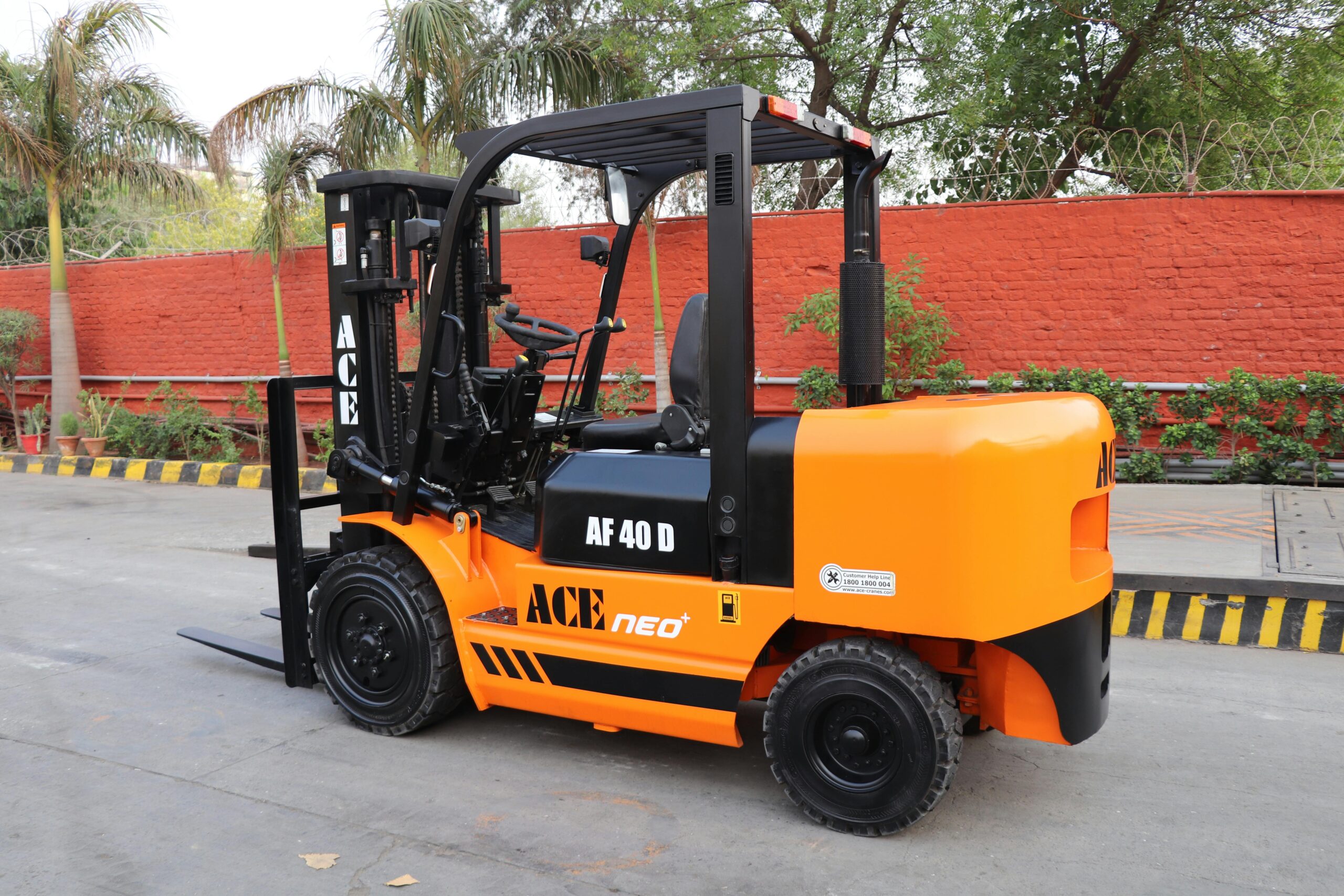
In the demanding world of material handling, forklifts are essential for efficient operations. The rigorous daily use they endure often leads to wear and tear, necessitating regular maintenance and part replacements to keep them running smoothly. Here are the most commonly replaced forklift parts:

1. Tyres:

Forklift tyres are subject to significant wear due to the heavy loads they carry and the various surfaces they traverse. Regular inspection and timely replacement are crucial to prevent operational delays and ensure the safety of your team.

2. Forks:

The forks are the business end of the forklift, lifting and supporting loads. Over time, they can become bent or damaged, which may compromise their ability to safely carry loads. Routine checks and replacements are necessary to maintain optimal lifting performance and safety standards.

3. Batteries:

For electric forklifts, batteries are the powerhouse that keep them running. These batteries typically have a finite lifespan and will require replacement after a certain number of charge cycles. Proper maintenance can extend their life, but eventually, new batteries will be needed to keep your forklifts operational.

4. Brakes:

The braking system is critical for the safety and performance of your forklift. Components like brake pads, shoes, and hydraulic systems should be regularly inspected and replaced as needed to ensure efficient and reliable stopping power, reducing the risk of accidents in your facility.

5. Chain:

The lift chain is a vital component of the forklift’s mast system, responsible for raising and lowering loads. Over time, chains can stretch, wear out, or even break, posing significant safety risks. Regular lubrication, inspections, and timely replacements are vital for maintaining smooth and safe lifting operations.

Proper maintenance and timely replacement of these parts will not only extend the lifespan of your forklifts but also enhance the safety and efficiency of your operations. Staying proactive in addressing these common issues can prevent costly downtime and keep your operations running smoothly.

For more information about our forklift training or to book your place, contact 01582 383388 or office@wetrainflt.co.uk.

Why you should periodically repeat your forklift training

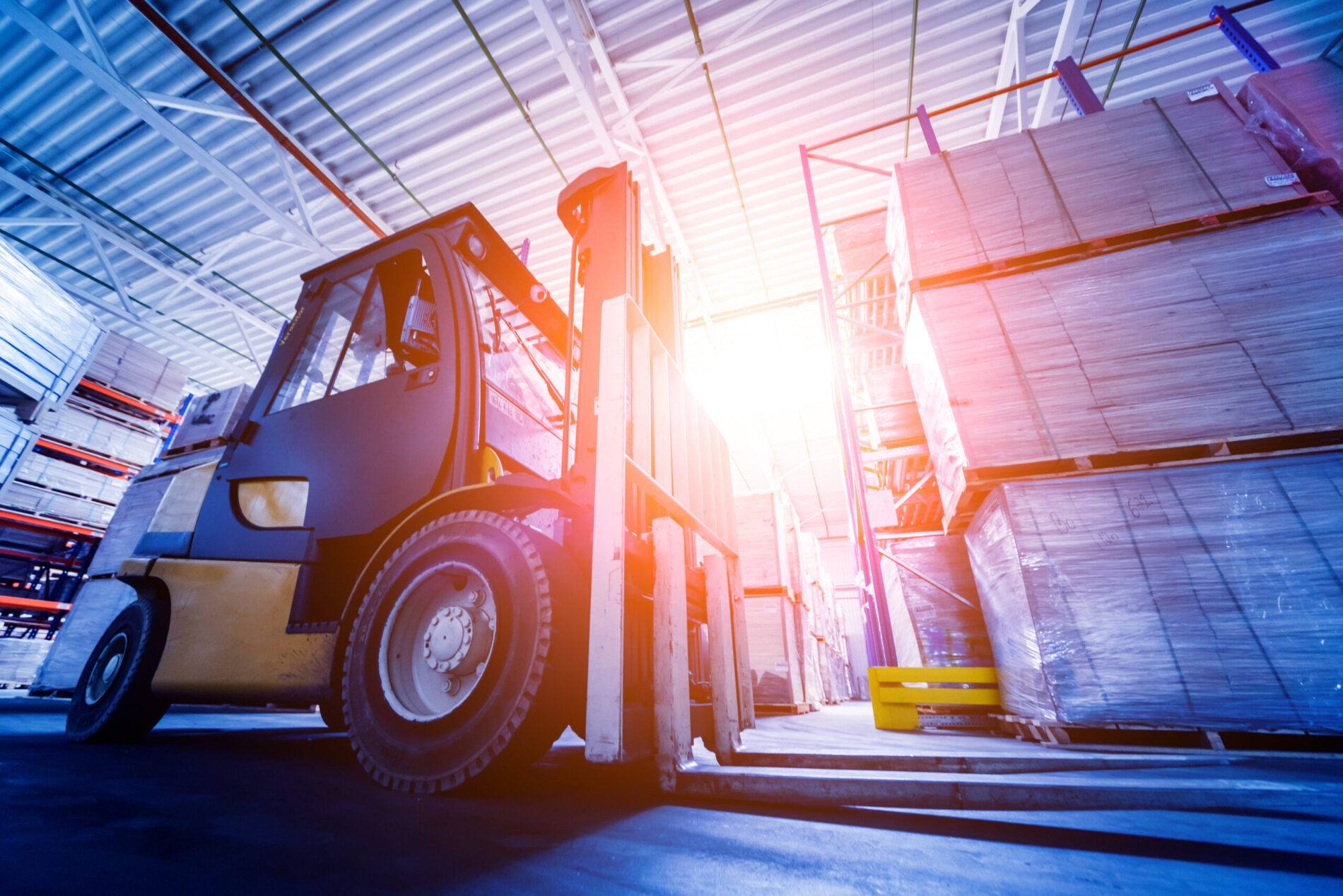
Ensuring forklift operators undergo periodic training isn’t just a box-ticking exercise; it’s crucial for workplace safety and efficiency. According to the Health and Safety Executive (HSE), each year around a quarter of all workplace transport injuries involve forklift trucks in the UK. By repeating training, operators can stay updated on the latest safety procedures, technology advancements, and legal requirements.

Simply put, regular training sessions create a culture of safety and skill enhancement. It’s important to prioritise continuous learning to keep our workplaces safe and efficient. Proper training not only ensures that operators are aware of the potential hazards but also equips them with the skills to handle unforeseen situations effectively. It’s an investment that pays off in terms of both human safety and operational efficiency.

peace of mind that comes from knowing your team is well-trained and capable is invaluable. The benefits far outweigh the time and resources spent. And if you’re looking for a forklift training partner, you’ve come t the right place! We provide a wide range of forklift training, including new drivers training but also refresher training for seasoned forklift operators.

For more information about our forklift training or to book your place, contact 01582 383388 or office@wetrainflt.co.uk.
Stay safe on your forklift in extreme heat

With the heatwave upon us (and likely to continue) it’s crucial for forklift drivers to prioritise their well-being. Heatwaves are more than just uncomfortable; they can pose serious risks to health and safety, especially for those working in physically demanding roles. Here’s what we always recommend to ensure safety in extreme temperatures:

1. Hydrate Constantly: Drink water regularly, even if you don’t feel thirsty. Keeping a water bottle handy and setting reminders to take sips can help maintain hydration levels throughout the day.

2. Take Breaks: Schedule regular breaks in shaded or cool areas to avoid overheating. Short, frequent breaks are more effective at preventing heat-related issues than fewer, longer breaks.

3. Wear Appropriate Gear: Light and breathable clothing will help you stay cool, along with necessary safety gear. Consider materials that wick away sweat and provide UV protection to keep your skin safe in the sun.

4. Know the Signs: Be aware of heat-related illness symptoms like dizziness, confusion, and excessive sweating. It’s crucial to take immediate action if you or a colleague begin to show these signs; cooling down and seeking medical attention can prevent more serious conditions.

In extreme temperatures, your health is just as important as the task at hand. Always have a plan in place for dealing with the heat, and never hesitate to speak up if you feel the conditions are becoming unsafe. Remember, staying proactive and prepared can make all the difference. Stay safe, stay cool!

For more information about our forklift training or to book your place, contact 01582 383388 or office@wetrainflt.co.uk

How to extend the life of your forklift

It cannot be overestimated – the impact of a well-maintained forklift on overall productivity and safety is significant. Here are three key tips to extend the life of your forklift:

Regular Maintenance: Consistent check-ups ensure the longevity of machinery. Schedule routine inspections to catch potential issues early. According to the UK Health and Safety Executive, poorly maintained forklifts are a leading cause of workplace accidents. By dedicating time and resources to regular maintenance, you can prevent small problems from becoming major, costly repairs.

Proper Training: Ensure your operators are well-trained. A well-informed driver can operate a forklift more efficiently and safely, reducing wear and tear. This not only extends the life of the equipment but also minimises the risk of costly mishaps. Investing in comprehensive training programs can pay dividends in the long run (so give us a call!)

Quality Parts: Invest in high-quality replacement parts. It might be tempting to save a few pounds upfront, but using subpar components can lead to higher long-term costs due to frequent breakdowns and replacements.

A small investment in maintenance can result in significant savings and a safer workplace. By prioritising regular checks, proper training for operators, and using high-quality parts, we can extend the lifecycle of this critical asset while enhancing overall workplace safety and efficiency.

For more information about our forklift training or to book your place, contact 01582 383388 or office@wetrainflt.co.uk

Cleaning your Forklift safely

Maintaining a forklift’s cleanliness isn’t just about aesthetics; it’s crucial for safety, operational efficiency, and extending the equipment’s lifespan. A clean forklift contributes to a safer work environment and helps in early detection of maintenance issues. Here are our top tips on how to clean your forklift safely and effectively:

1. Turn Off and Cool Down: Before starting any cleaning process, ensure the forklift is fully turned off and has had sufficient time to cool down. This precaution significantly reduces the risk of burns from hot surfaces or electrical hazards.

2. Use Proper Cleaning Agents: Steer clear of harsh chemicals that can potentially damage the forklift’s components or be hazardous to inhale. Generally, using mild detergents mixed with water is sufficient for cleaning purposes. This approach is not only effective but also safe for both the equipment and the operator.

3. Protect Sensitive Areas: It is essential to cover electronic components and any exposed wiring thoroughly. This step is critical to prevent water or cleaning agents from causing electrical malfunctions or corrosion.

4. Brush and Blow: For areas where dust and debris tend to accumulate, use brushes and air blowers. These tools are excellent for reaching tight spots that are often missed during standard cleaning procedures. Regularly cleaning these areas can prevent long-term buildup that might affect the forklift’s performance.

5. Inspect While You Clean: Take the opportunity to inspect the forklift for any signs of wear, leaks, or damage while cleaning. Early detection of issues like these can help you address them before they become costly repairs or cause significant downtime.

Keeping your forklift in top condition is more than a routine task; it’s a commitment to workplace safety and efficiency. By ensuring your forklift is clean and well-maintained, you not only enhance its operational lifespan but also contribute to a safer and more productive working environment.

For more information about our forklift training or to book your place, contact 01582 383388 or office@wetrainflt.co.uk.