THE FORKLIFT TRUCK TRAINING CENTRE

Blog

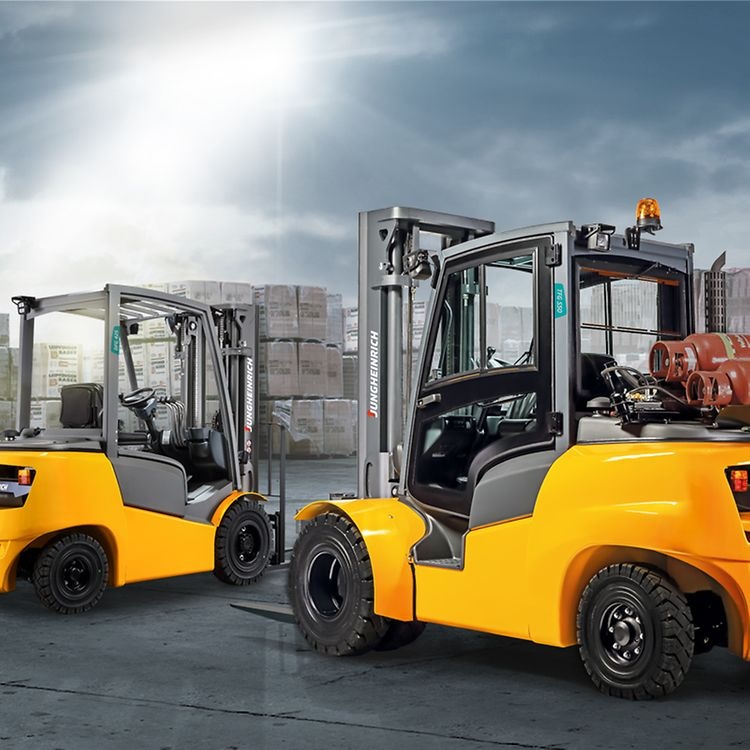
Why won’t my forklift start?

Is there anything more frustrating than a forklift that won’t start just as you’re gearing up for a busy and productive day? It’s a common industry issue, and understanding the potential culprits can save you invaluable time and stress. Here are a few critical things to check when your forklift refuses to start:

1. Battery Issues: Ensure the battery is fully charged, and all connections are tight and free of corrosion. A weak or dead battery is often the primary reason for starting problems.

2. Fuel Level: Double-check the fuel gauge. Sometimes it’s as simple as an empty tank.

3. Spark Plugs and Ignition: Don’t overlook the basics. The spark plugs and ignition systems should be in good working order to have a reliable start.

4. Maintenance History: Regular services and routine check-ups can prevent many starting problems. Make sure your forklift isn’t overdue for its maintenance schedule.

5. Safety Switches: Modern forklifts come with various safety switches and interlocks that can prevent starting. Ensure all safety features are correctly engaged.

Remember, a proactive approach to forklift maintenance can save you hours of downtime and keep your operations running smoothly.

For more information about our forklift training or to book your place, contact 01582 383388 or office@wetrainflt.co.uk.
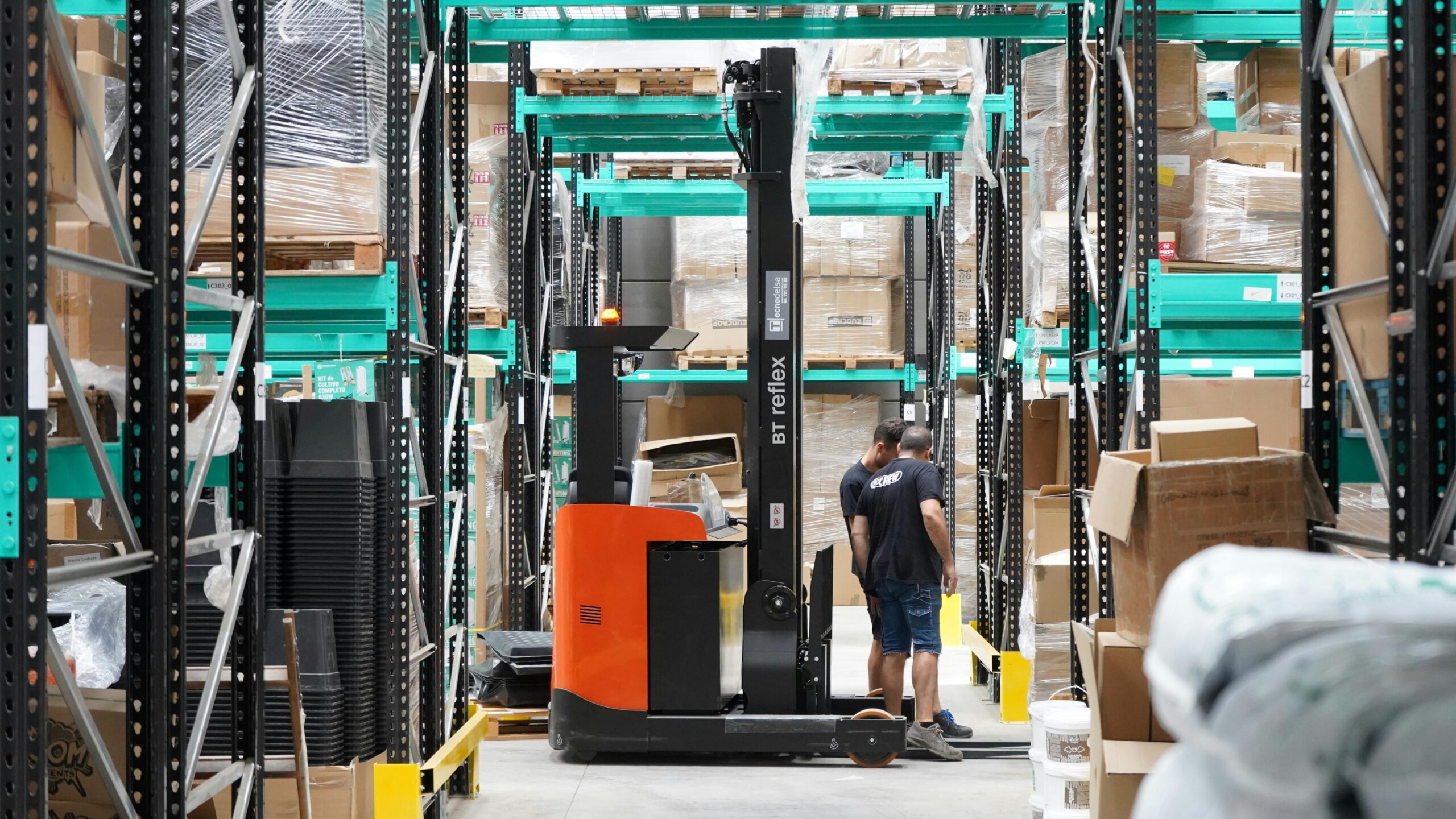
How can you get the most out of your next Forklift training session?

Ensuring that you’ve maximised the benefits of your forklift training can truly set you apart from the rest and significantly elevate your career prospects. Whether you’re just starting out or are a seasoned professional looking to refine your skills, diving deep into your training can make all the difference. Here’s our top tips:

1. Engage Actively: Don’t just attend but participate enthusiastically in every session! Ask questions, seek clarification on any points you’re unsure about, and share your own experiences with your trainers and peers.

2. Practical Application: During training, pay extra attention to the hands-on sessions. This is where theory meets practice. The more practical experience you accumulate, the more confident and skilled you will become.

3. Stay Updated: Forklift technology is continually evolving with new models and advanced techniques being introduced regularly. Stay informed and updated about these technological advancements and innovations in the industry to ensure that your skills remain relevant and you can handle the latest equipment with ease.

4. Safety First: Understand, internalise, and prioritise all safety protocols during your training. A safe operator not only ensures their own personal safety but also significantly contributes to a safer and more productive workplace.

5. Network: Connect with your peers and trainers during and after your training sessions. Building a network with fellow operators and industry experts can provide you with invaluable insights, advice, and learning from others’ experiences.

For more information about our forklift training or to book your place, contact 01582 383388 or office@wetrainflt.co.uk.
Make your new year forklift check count

As we kick off 2025, ensuring the safety and efficiency of your workplace is key to success and productivity. Here are some top tips for the ultimate new year forklift maintenance check that every warehouse should consider adopting to ensure smooth operations throughout the year.

Thorough Visual Inspection: Start by conducting a comprehensive check for any signs of damage, leaks, or excessive wear. Pay special attention to the forks, mast, and hydraulic cylinders for any indications of weakness or potential failure.

Fluid Levels: Make sure that the transmission, hydraulic, and coolant levels are at their correct levels. Neglecting these can lead to severe damage and costly repairs down the line.

Battery Care: For electric forklifts, it’s crucial to check battery connections and electrolyte levels. Regular maintenance of the battery can significantly extend the lifespan of the machine and ensure optimal performance.

Safety Features: Verify that all safety devices, such as horns, lights, and seat belts, are fully functional. This step is non-negotiable as it ensures the safety of your operators and reduces the risk of workplace accidents.

Tyre Checks: Inspect the tyres for correct pressure, wear, and tear. Properly maintained tyres not only ensure stability but also reduce the risk of accidents, contributing to a safer work environment.

Regular maintenance is essential as it not only upholds safety standards but can also improve operational efficiency and reduce long-term costs. Incorporating these practices into your routine can lead to a safer, more efficient warehouse operation. Happy maintaining!

For more information about our forklift training or to book your place, contact 01582 383388 or office@wetrainflt.co.uk.
Winter Forklift Safety Tips

As the cold weather approaches, it’s crucial to prioritise forklift safety. The winter months bring unique challenges, such as icy surfaces, reduced visibility, and battery performance issues. Here are our top tips to ensure your operations remain safe and efficient, especially during these colder months that pose additional risks to our day-to-day operations.

First, inspect your forklifts regularly. Cold temperatures can affect tyre pressure and battery life, so it’s essential to perform daily checks. Ensure that all lights are functioning correctly to combat shorter daylight hours and potential fog that might arise. Regular maintenance checks cannot be overstated – they are the first line of defence in keeping your equipment in peak condition during the winter season.

Next, invest in proper training for your operators (give us a call!). Navigating a forklift on icy or snowy grounds requires specific skills. Our detailed training sessions also include tips on how to manage unexpected weather changes and the best practices for operating in freezing temperatures. Remember, safety always comes first, and skilled operators are the bedrock of safe operations!

Lastly, maintain a clean and organised work environment. Keep pathways and storage areas clear of snow and ice. Use salt or sand to reduce the risk of slips and falls. Ensure that all workers are equipped with appropriate winter gear, such as gloves and warm clothing, to maintain their comfort and safety during operations. A well-organised site not only promotes safety but also enhances the overall efficiency of your work environment, reducing downtime caused by weather-related issues.

For more information about our forklift training or to book your place, contact 01582 383388 or office@wetrainflt.co.uk.

How to drive a forklift correctly

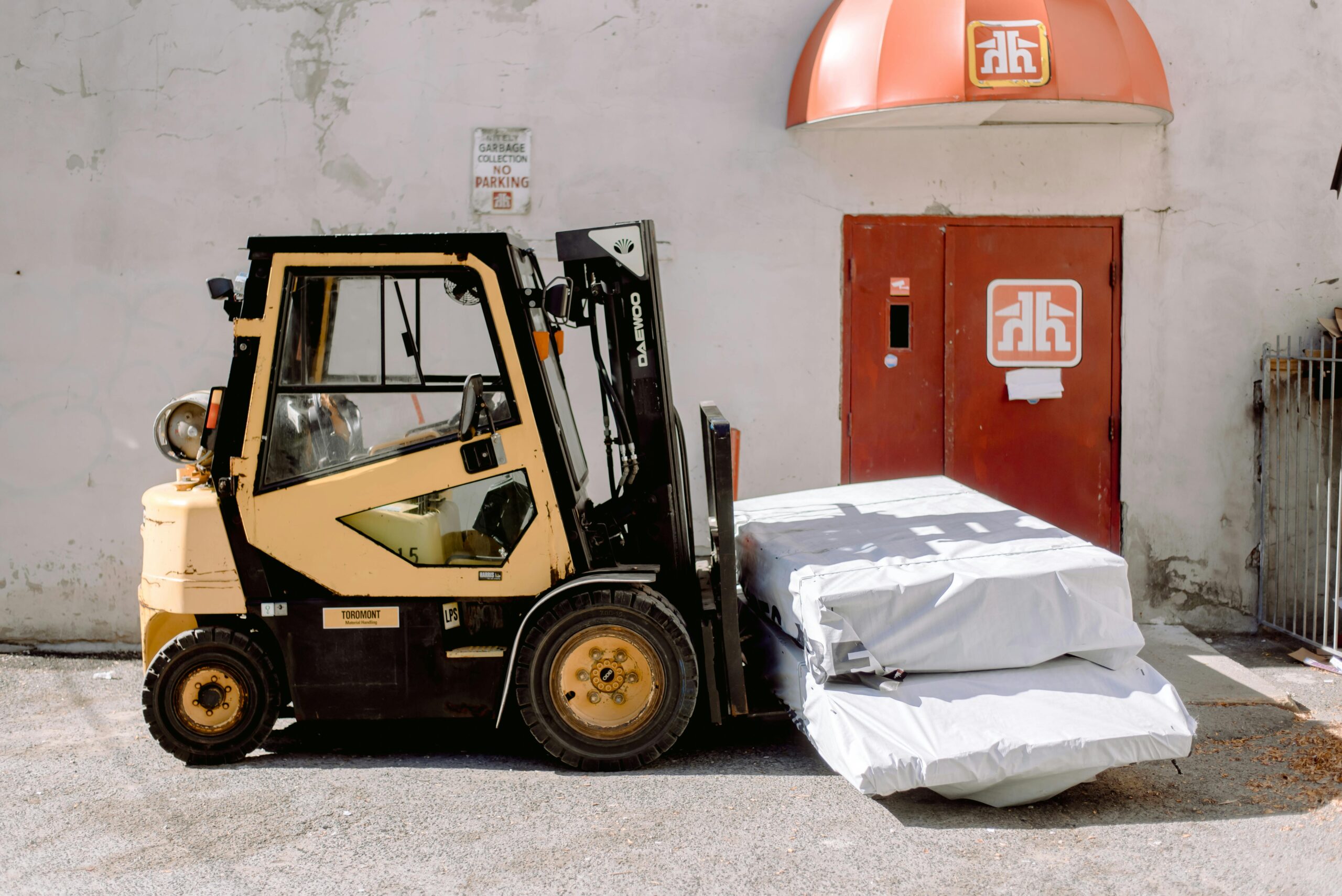
Driving a forklift correctly – may seem obvious, right? But not all forklifts are made the same, and whilst we may think we know how to manage a forklift, it’s worth taking the necessary steps to make sure – otherwise you could risk causing an accident.

Do the training! Here at the Forklift Truck Training Centre, we’re obviously big fans of effective forklift training – training is vitally important for making sure you know how to operate a forklift truck effectively. Training should be delivered by a professional instructor and if you’ve been trained before, don’t assume you know everything – a refresher is always helpful!

Do you know your forklift? To drive a forklift effectively you’ve got to be properly acquainted with it – The forks carry the load, the mast raises the forks and the counterweight at the back ensures total stability. Check you know where the key controls are for moving the forklift and controlling the forks.

Do your checks! Before you go, check everything is working correctly – safety always comes first. Check everything is clear around you, that your path doesn’t have any hazards in the way (including people).

For more information about our forklift training or to book your place, contact 01582 383388 or office@wetrainflt.co.uk.