THE FORKLIFT TRUCK TRAINING CENTRE

Blog

How to reduce forklift damage

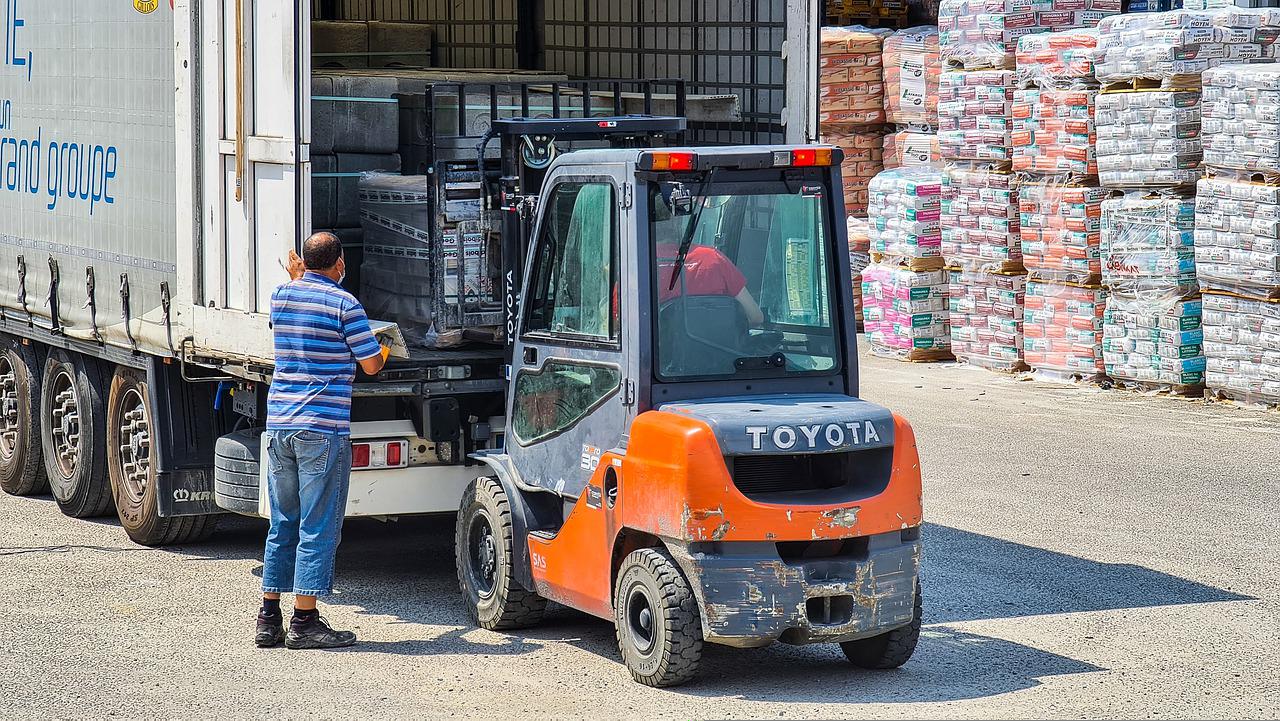
Forklifts, whilst incredibly useful in the warehouse, can unfortunately cause a lot of damage when not operated properly. The best thing to do is to prevent damage where possible in the first place – here’s our top tips for reducing forklift damage in your warehouse.

Operators must have a licence. Perhaps an obvious point, but it can be tempting to allow any warehouse workers to use equipment in busy periods. Only forklift certified members of staff should use forklifts and training should be kept up to date at all times.

Keep your warehouse tidy. Moving a forklift around obstacles is almost impossible – ensure your warehouse aisles are clear of materials at all times and consider the best routes for forklifts when planning the layout of your warehouse.

Light it up! Simply adding more lighting can have a huge impact for forklift operators. If they are able to see routs more clearly in front of them they are much more likely to avoid accidents.

Is the pallet loaded correctly? Pallets should be loaded carefully with items secured properly. Balance is key; an unbalanced forklift can topple and cause a huge amount of damage.

For more information about our forklift training or to book your place, contact 01582 383388 or office@wetrainflt.co.uk.
Transporting a forklift safely

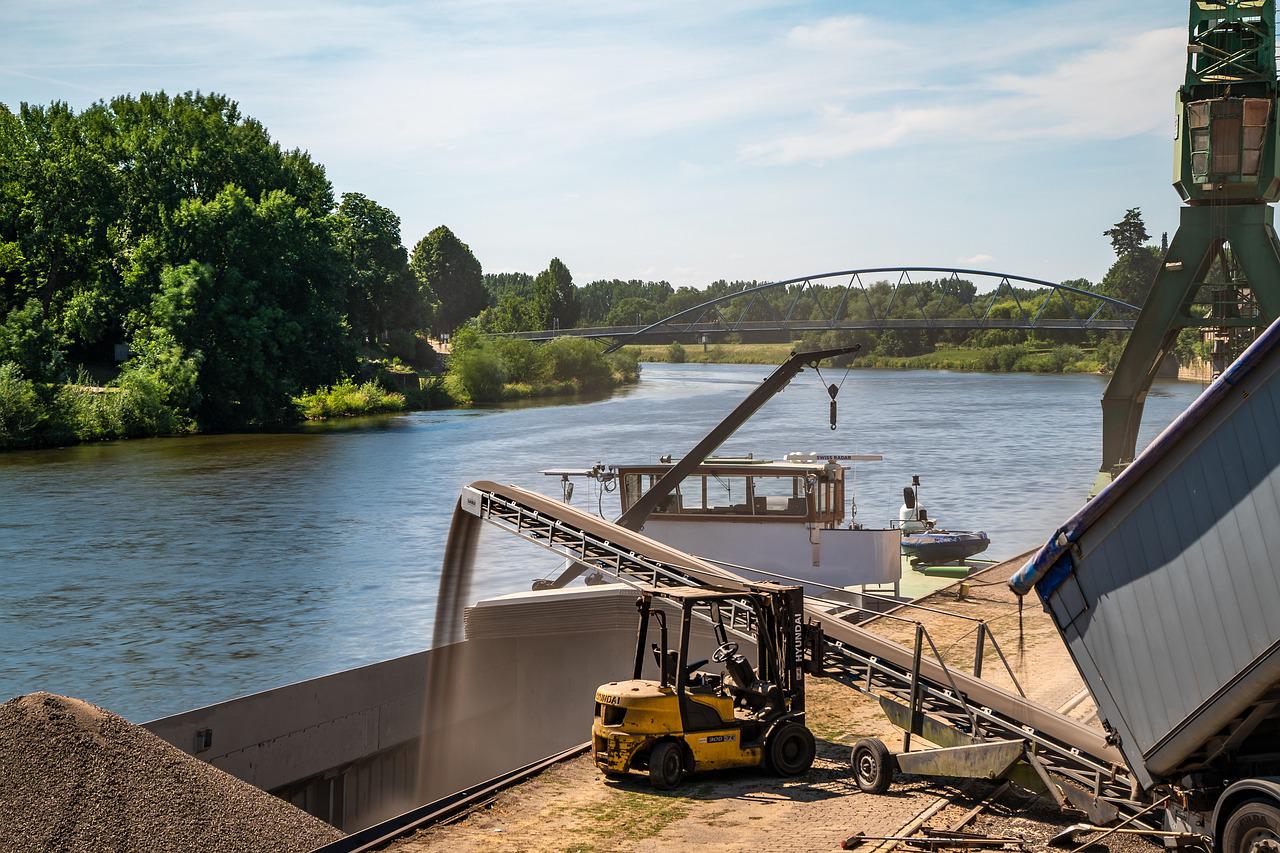
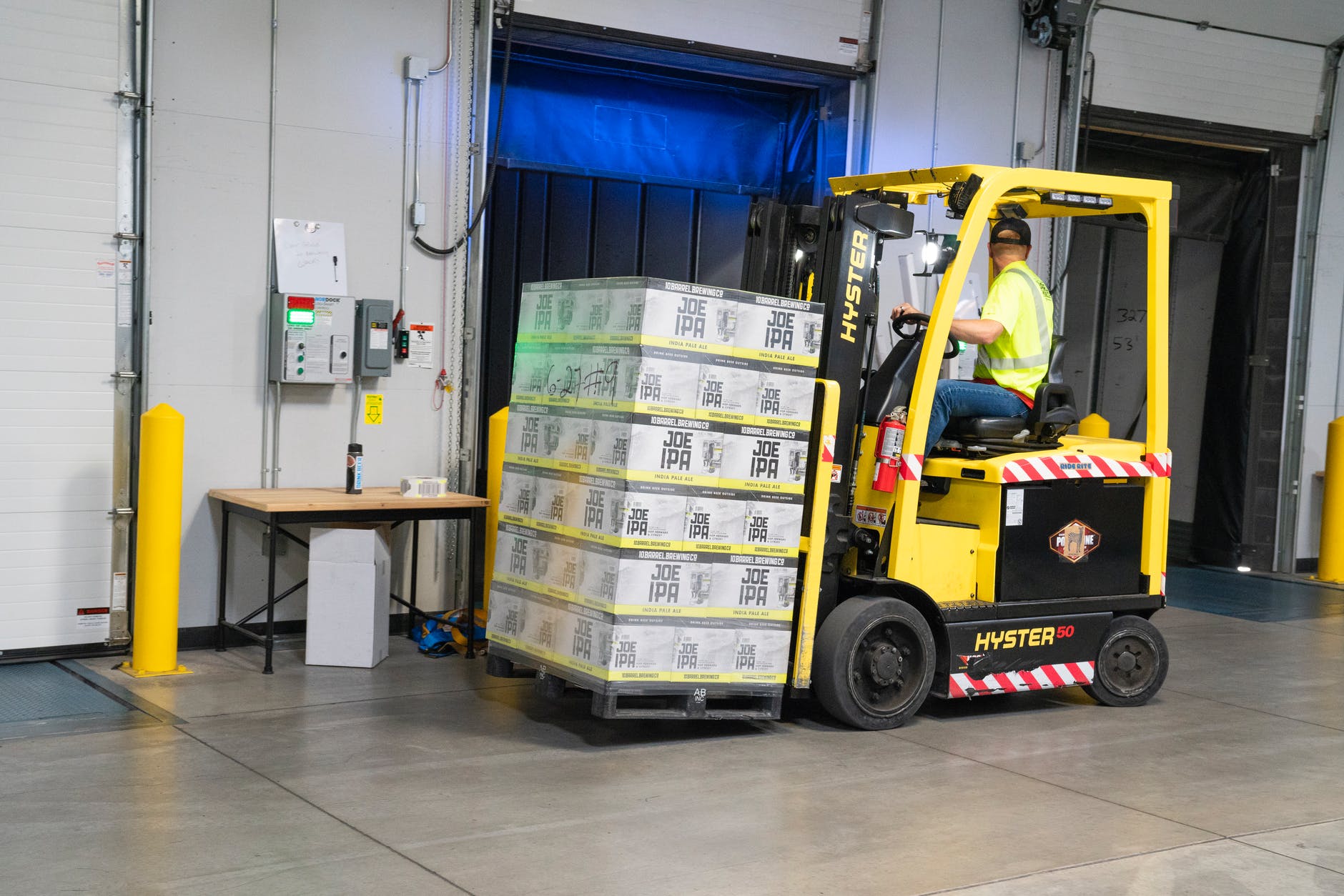
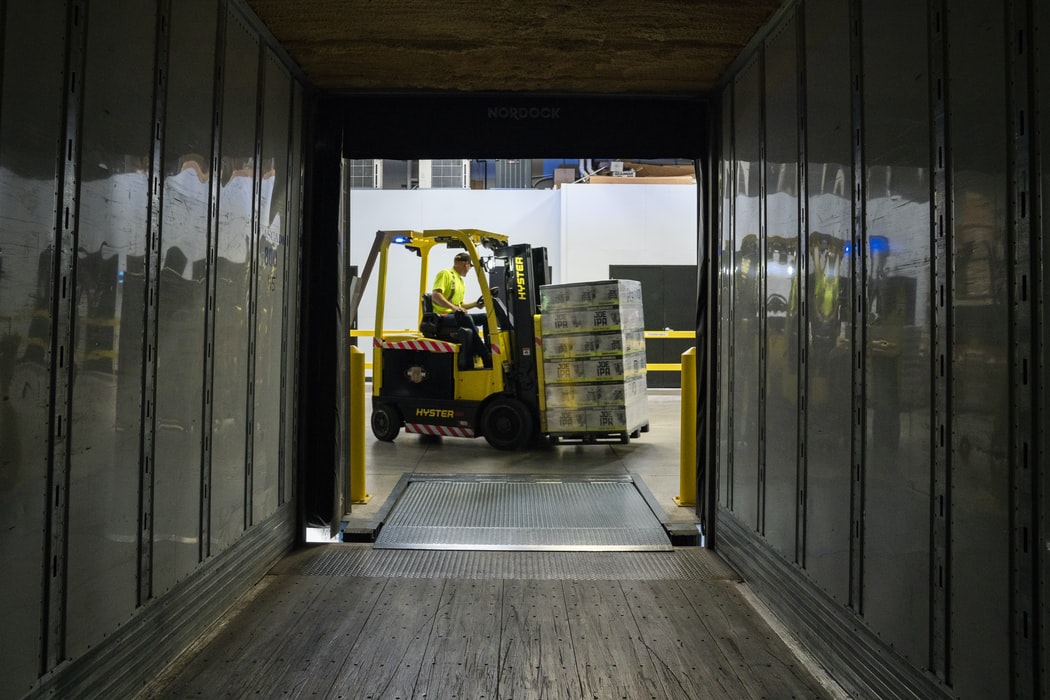
Forklifts have a specific job – lifting and moving goods. They aren’t classed as vehicles so can’t be driven on roads for moving them from warehouse to warehouse. So what considerations do you need to make to transport your forklift safely?

Check dimensions! Not all forklifts are equal – if you want to transport your forklift before you look into transporters make sure you know the dimensions of your forklift and that it will fit in the transporter vehicle.

Safe and secure. Reverse your forklift onto the trailer and park it in the centre of the trailer to ensure balance. Use ratchets and chains to secure the forklift in place. And always check the fuel compartment is safe with no spillages!

Check you need to transport your forklift before you do it! The cost of transporting a forklift may be more expensive than hiring a forklift where you need it – so check your prices first!

For more information about our forklift training services, contact us on 03333 442949 or office@wetrainflt.co.uk.

How can you save money on your forklift?

Everyone is seeing risings costs these days, both consumers and businesses – and cutting costs in a must in today’s competitive market. So how can you save money on your forklift fleet?

Consider energy efficiency. When purchasing your next forklift it’s efficiency on energy consumption is a key factor to consider. If a forklift is using less fuel or electricity, costs will be lower. The important thing is to balance energy consumption alongside power, depending on the needs of your warehouse.

Longevity. Forklifts that last longer are cheaper to run, with fewer maintenance needs. Consider well-known brands when purchasing a new forklift to ensure a quality product – it might be a more expensive purchase but it’s likely to save you money in the long run.

Think about the driver too. Forklifts should be designed to be as efficient as possible for the driver. A forklift designed to minimise accidents will without a doubt cost less. Injuries caused by poor equipment can cost too, so make sure your forklift is comfortable for your operator.

 For more information about our forklift training services, contact us on 03333 442949 or office@wetrainflt.co.uk.

When should you use a forklift safety cage?

We all know that forklifts are designed to lift objects, not people. But in some cases, forklift can provide a temporary platform or stairs if required – and to make it safe it’s vital you use a forklift safety cage. But when should you use it?

Forklift safety cages should be used only in certain situations. It’s possible to use a safety cage when you need to carry out emergency repairs or for non-routine maintenance. In some cases it may even be safer to use a forklift rather than more traditional methods like scaffolding, and it may be the best option when specialist support is not available.

Most importantly, when using forklift safety cages you must have full training and be aware of all health and safety considerations. Even if you’ve had training  before, this training must be refresh on a periodic basis. Be aware of the load limit and make sure you communicate effectively with your team at all times. Proper protective workwear is an absolute must.

For more information about our forklift training services, contact us on 03333 442949 or office@wetrainflt.co.uk.

Forklift Training: What’s it all about?

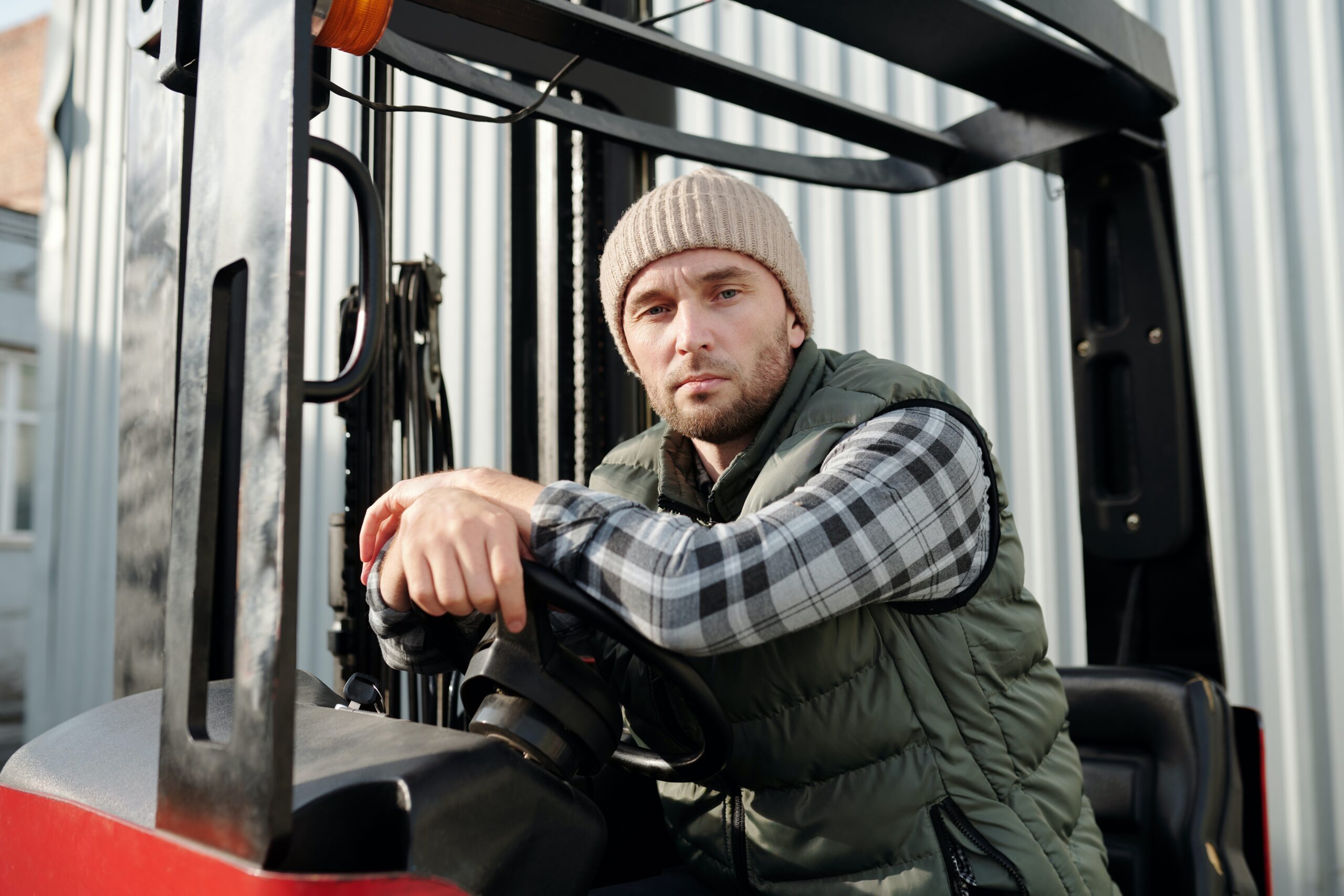
Don’t think you need forklift training? Wrong! Operating a forklift may seem simple, especially if you’ve done it for many years, but it’s both important and mandatory to have regular and ongoing training. But what does forklift training involve?

Our training will generally consist of 3 stages which will cover both written and practical assessment.

You will be using a range of video and written materials to assist you in your training:

  • Basic training: the basic skills and knowledge required to operate a lift truck safely and efficiently.
  • Specific job training: knowledge and understanding of the operating principles and controls of the lift truck to be used and how it will be used in the workplace.
  • Familiarisation training: applying what has been learnt, under normal working conditions, on the job.

Trainees with some experience of lift trucks or relevant experience of similar vehicles may need less extensive training than those with no experience but it’s still important.

The instructor will continuously assess a trainee’s progress to ensure they achieve the required standards throughout training. At the end of the training, the trainee should pass a test, or tests, to demonstrate that they have the necessary practical and theoretical knowledge and skills to operate lift trucks safely.

For more information about our forklift training services, contact us on 03333 442949 or office@wetrainflt.co.uk.