THE FORKLIFT TRUCK TRAINING CENTRE

Blog

Are you looking after your forklift battery?

What’s a forklift without its battery? Useless! As such, it’s really important you look after your forklift battery properly to ensure your equipment can serve its purpose properly. Here’s how.

Charge it the right way! Always follow the manufacturers instructions on charging your battery to ensure it doesn’t get damaged – overcharging a battery can greatly reduce its lifespan and performance.

Avoid exposing your battery to extreme temperatures.  Not always easy depending on the environment you’re working in, but if you have a forklift working in extreme temperatures make sure you have a battery fit for the job.

Keep it clean! Dirty batteries suffer from performance issues and can make it more difficult to identify when there are problems with the battery – so make sure you keep your battery clean as part of your routine maintenance!

Regular maintenance is a must. For the most part when it comes to forklift performance, regular maintenance is an absolute must. The battery is no different – plan your forklift maintenance in advance and include the battery in your checks.

For more information about our forklift training or to book your place, contact 01582 383388 or office@wetrainflt.co.uk.

Combat your forklift aches and pains today!

Poor practise when it comes to forklift operation can lead to injury, aches and pains. This in turn can leave you de-motivated and physically struggling to complete your day to day tasks. So how can you combat those aches and pains and make sure you’re operating your forklift effectively?

Never ignore pain. If you experience pain whilst at work, whether it be from sitting too long in your forklift, or twisting and bending whilst loading, you mustn’t ignore it. If it persists, go to your doctor and take medical advice.

Think about best practise. Every forklift operator should follow best practise when operating a forklift, including sitting up straight, re-adjusting hands and legs to relieve muscle tension, and adjusting the steering and seating to make sure it’s right for you.

Take a break. It’s so important for your health to take a few minutes out of the cab during your shift – take a walk and get some fresh air. Stretching your muscles periodically throughout your shift will make a huge difference to your health.

For more information about our forklift training or to book your place, contact 01582 383388 or office@wetrainflt.co.uk.
Name That Forklift!

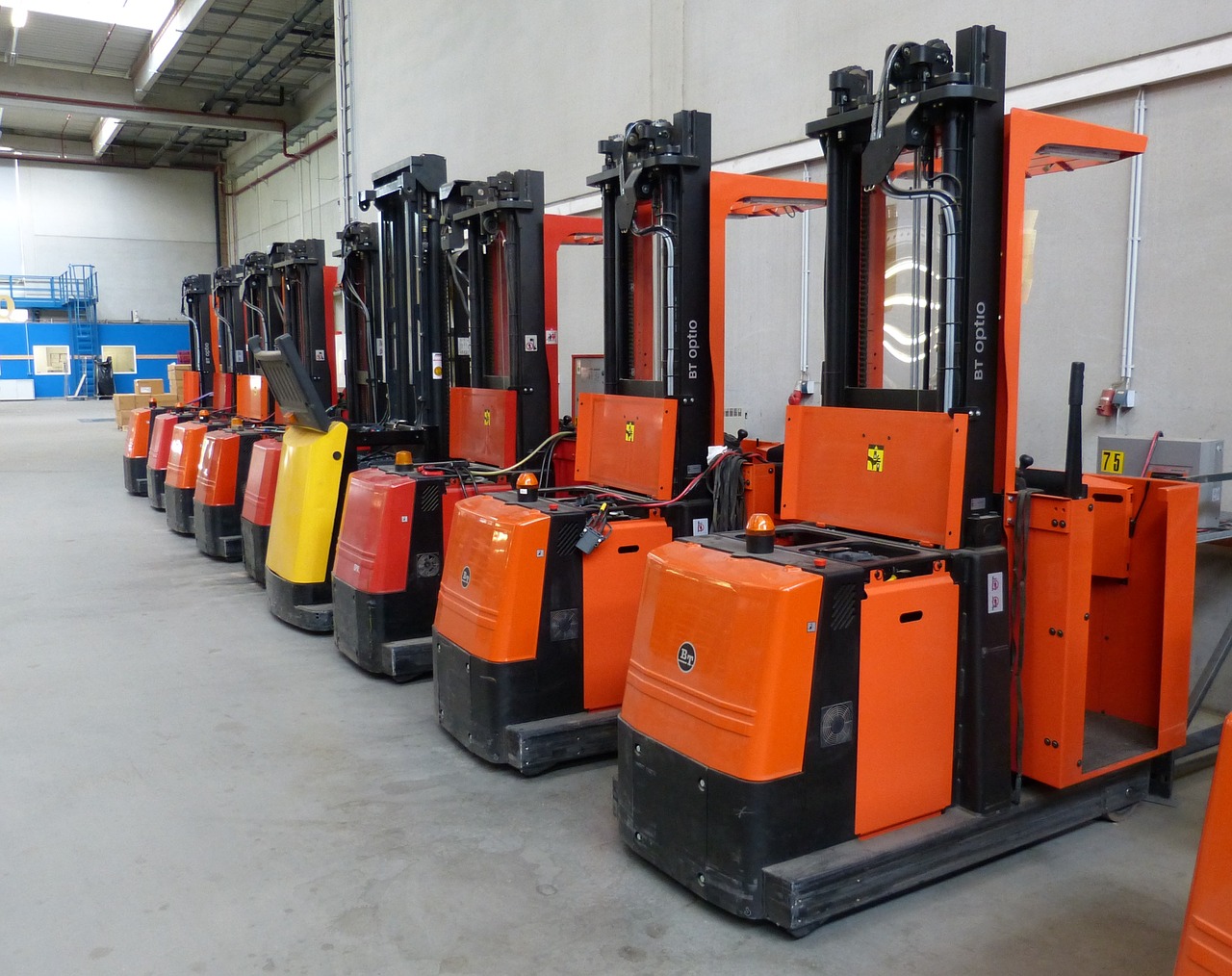
Given the warehouse is a diverse place, it’s not hugely surprising that we often find different types of forklift in operation. So what are the different types of forklifts and what is their purpose?

Counterbalance

The most common type of forklift, the forks are fitted at the front of the truck and are fairly straightforward to operate. They can be petrol, diesel or electrically operated. Some designs are 3 wheel, meaning that the truck has maximum manoeuvrability.

Reach Truck

Reach truck forklifts are designed to reach into racking and as such can lift significant weights to great heights whilst working in a small warehouse environment if necessary. They work best inside on even surfaces, due to their low under-carriage.

Pump Truck

Hand and power pallet trucks are used to move products fitted to pallets in the warehouse. They work best on smooth surfaces and are an easy way to move products quickly.

Sideloader

Sideloaders, as the name suggests, pick up loads from the side, and are particularly effective at handling long or wide products.

For more information about our forklift training or to book your place, contact 01582 383388 or office@wetrainflt.co.uk.
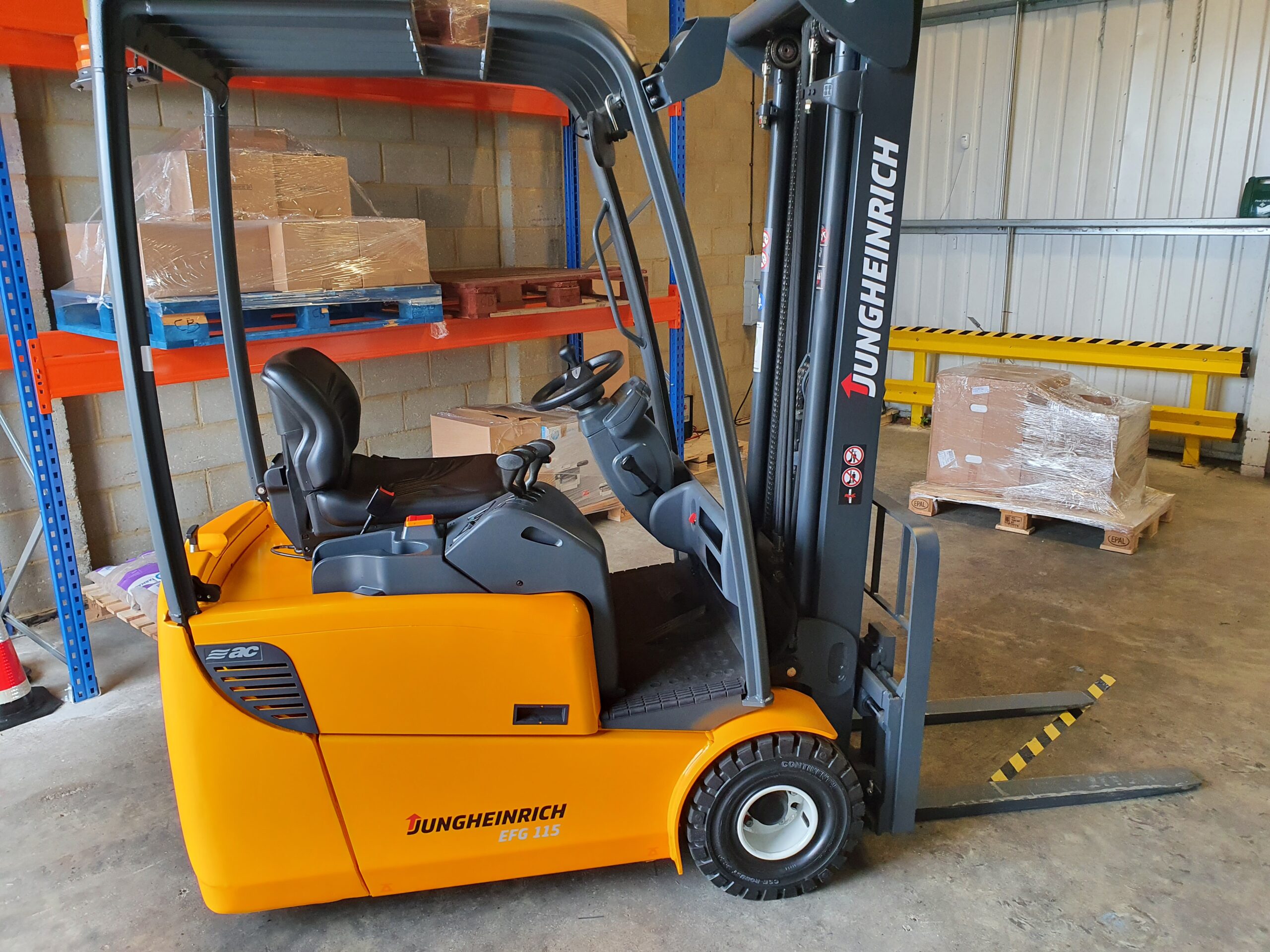
Does your forklift need a service?

Maintenance of your forklift is vital to keep it up and running as long as possible. Regular service and maintenance should be part of your schedule, but despite that it’s good to know the signs of your forklift needing a service. So what should you be looking out for when it comes to your forklift needing a service?

Reduced power or slower response. Does the forklift seem sluggish and slower than usual? It might be worth checking the engine or the transmission to check if a service is required. If the steering seems off it’s worth investigating if the steering system needs some attention.

Watch for warning lights. Warning lights are built into forklifts for a reason – to warn us! It might seem easier to ignore them, but don’t – it might cost you more in the longer term if you ignore warning lights on your forklift dashboard.

Hearing strange noises? Again, another thing you might be tempted to ignore, but if your forklift doesn’t sound normal it’s likely there’s a problem that needs your attention. Get it serviced!

For more information about our forklift training or to book your place, contact 01582 383388 or office@wetrainflt.co.uk.

Forklift Trends for 2023

2023 promises to be another big year in logistics and for forklifts! Demand for online shopping and fast responses keeps soaring, and your forklift fleet plays a vital role in ensuring orders are fulfilled on time. So what can we expect to see for forklifts in 2023?

Used forklifts are on the up. With the cost of used forklifts in some cases much cheaper than buying new the used forklift sector is still growing. If you’re considering replacing your equipment this year, take a look at the used models on offer – you may be surprised!

Make way for automation. As technology improves and expands, we are increasingly seeing more automated forklifts than before. Specialist equipment like robotic arms are reducing the risk of human injury and helping to increase productivity.

It’s all about the data! More and more warehouses are using software and data to analyse the performance of their forklifts and warehouses – by using data organisations can improve efficiency and productivity.

For more information about our forklift training or to book your place, contact 01582 383388 or office@wetrainflt.co.uk.